

Reviewed · BUCHAREST COMMUNISM TOURS
Bucharest: Museum of Communism Ticket with Communist Coffee
The Museum of Communism puts Romania’s recent past within arm’s reach: you can type on an old typewriter, leaf through original magazines and try on period clothes. The visit ends with nechezol, a coffee substitute tied to the shortages of the 1980s, served in an old cup on a communist-era couch.
I like two things here: the chance to handle objects instead of only reading labels, and the relaxed coffee stop that gives the history a personal, everyday scale. The museum’s English-speaking staff are available for questions, and some visitors have found them especially helpful.
One caution: this is a small museum, and parts of the visit rely on posters and written explanations. If you want a detailed, specialist-led account of Romanian history, the displays may feel too simple or too brief.
Key points before you go
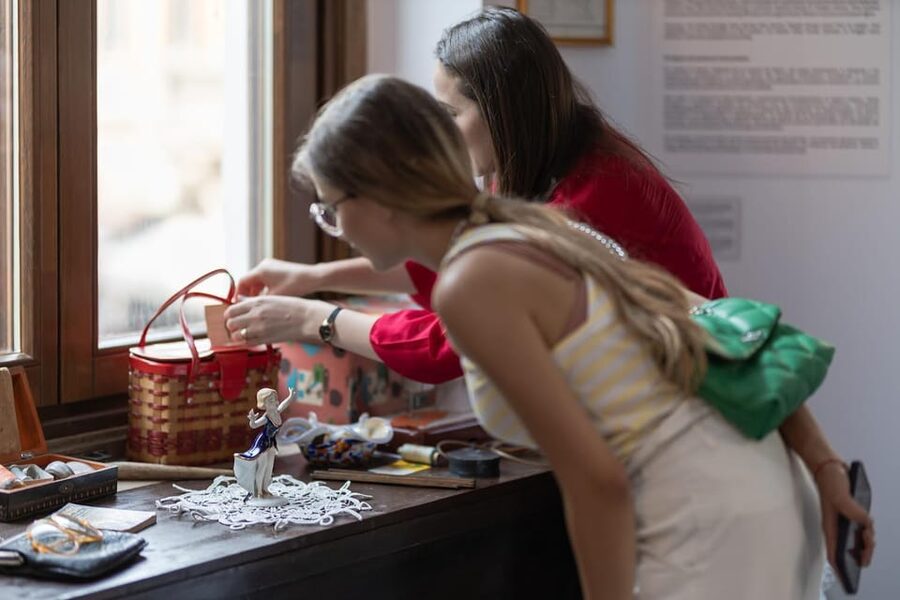
- Try the objects: Type on an old typewriter, read original magazines and try on period clothes.
- Taste the 1980s: Your ticket includes a cup of nechezol, served in the museum’s living room.
- Ask questions on site: An English-speaking guide is available in the museum, though no guide’s name is specified.
- Allow about an hour: A recent visit took 45 minutes to an hour; your pace and interest in the displays will shape the timing.
- Expect a compact museum: It is in Bucharest’s old town, with a small bar area and clean toilet facilities noted in a recent account.
- Check access needs: The museum is not suitable for wheelchair users.
A small museum with a hands-on approach

Romania’s communist period is recent enough that its objects still feel familiar: a typewriter, a magazine, a cup on a living-room table. This museum uses those everyday things to make a political era less abstract. Instead of looking only at exhibits behind glass, you can interact with many of them.
That distinction matters. A wall of text can tell you that daily life was shaped by shortages and state control; handling an old object gives you a more immediate way into the subject. You can type on a period typewriter, read original magazines and try on old clothes. The museum encourages you to look, touch and ask, rather than simply file past a row of displays.
It is still a small museum, not a full-scale historical centre. You should expect a concentrated introduction, with posters and explanatory text doing much of the work. The interactive elements add variety, but they do not replace a deeper account of Romanian political history.
The museum is in Bucharest’s old town, making it a practical stop if you are already exploring that part of the city. The visit is listed as valid for one day, and the ticket covers entry rather than a fixed-length guided tour. You can take your time with the material and ask the English-speaking staff questions as you go.
More communism tours around Bucharest:
- Bucharest: Palace of Parliament Tickets and Guide
★ 4.3 · 3,182 reviews - Bucharest: Palace of Parliament Tickets and Guided Tour
★ 4.4 · 1,877 reviews - Bucharest: Parliament Palace Skip-the-line Ticket
★ 4.2 · 1,518 reviews
Start with the everyday details
The strongest way to approach the museum is to notice the ordinary things. A typewriter invites you to try it, rather than merely imagine what it was like to use one. Original magazines offer a glimpse of the printed material people could read, while old clothes let you compare the styles and feel of a different era.
These are modest encounters, not elaborate activities. You are not signing up for a staged historical performance. The value lies in having permission to engage with objects that are usually displayed at a distance. If you are visiting with a companion, the clothes and photo opportunities can make the rooms more playful; on your own, you may prefer to focus on the text and ask staff about what interests you.
There is an important balance to keep in mind. Some material may frame common experiences from the 1950s through the 1990s as specifically communist hardships. That can make the presentation feel too broad or simplistic if you are looking for careful comparisons between Romania and other countries, or for a detailed explanation of how policies changed over time.
For a first introduction, though, the familiar objects can help you form useful questions. What did people read? What did everyday routines look like? How did shortages change ordinary choices? The staff are available to answer questions, and some visitors have found their explanations warm, thoughtful and engaging. No individual guide names are provided, so think of the staff as an on-site resource rather than booking around a named historian.
What the displays can and cannot do
Expect a compact museum where written panels and posters are a major part of the experience. If you enjoy reading museum text, you can work through the explanations at your own pace. If you skim, you may finish much faster and feel there was little to see. One visitor completed the rooms in five minutes, while another found 45 minutes to an hour a comfortable visit.
That spread tells you something practical: the museum is not long by default. Your visit depends on how carefully you read, how much you try the hands-on exhibits and whether you stop to talk with staff. If you are trying to fit it between larger attractions, it can work as a short stop. If you want a substantial half-day history visit, this is not enough on its own.
The interpretive approach also deserves a little caution. A visitor who wanted a more expert historical perspective felt that some explanations oversimplified the period. That is a fair concern for anyone who already knows Romanian history or wants nuanced discussion of communism across the region. Treat the museum as an accessible starting point, not a final authority on every aspect of the era.
On the other hand, staff interaction may add what the panels cannot. You can ask about a particular object or about the story behind the coffee. The availability of people to speak with is especially useful if you are unsure how much context a display assumes. Go in with questions, and the visit is more likely to feel like a conversation than a quick reading exercise.
Nechezol, the coffee with a story
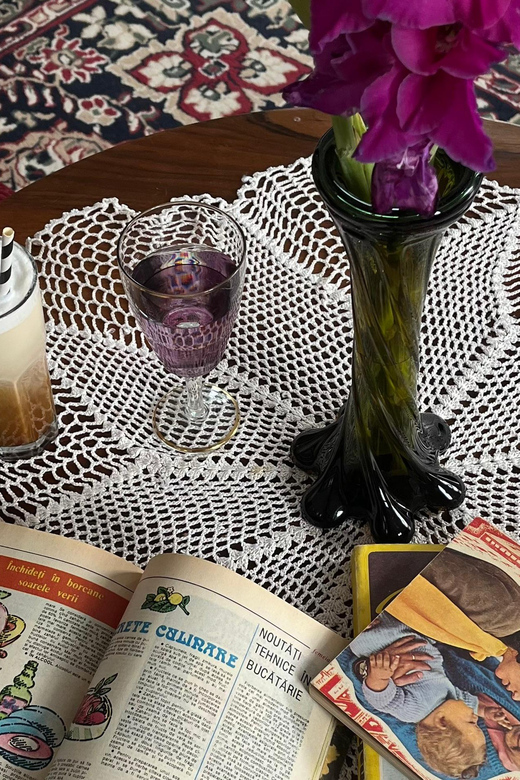
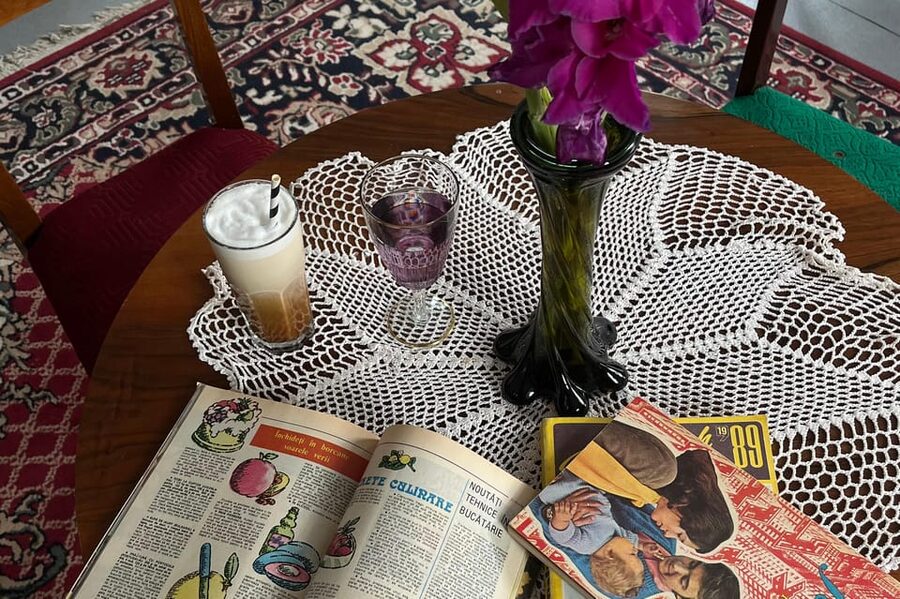
The ticket includes a cup of nechezol, associated with the final years of communism, when Romania imported coffee in very small amounts. The museum explains how this coffee substitute appeared and serves it in an old cup in its living room, where you can sit on a communist-era couch.
This is a memorable way to connect history with everyday life. Shortages are easy to understand as a broad idea; tasting a substitute makes the subject concrete. You are not just reading about what people lacked. You are pausing in a domestic-style setting and trying something linked to the period.
Keep your expectations measured. The coffee is included as a historical taste and novelty, not presented as a specialist tasting or a modern café experience. One person found it quite pleasant and compared it with instant coffee, while also noting they were not a coffee expert. If you are particular about your brew, think of the cup as part of the museum lesson rather than the main reason to visit.
The setting is part of the appeal. Sitting on the old couch with the cup in hand gives you a moment to slow down after moving through the displays. It also offers a chance to consider how political decisions can reach right into the daily rituals of food and drink. That small pause helps make the visit feel like more than a collection of posters.
More coffee experiences around Bucharest:
- Brasov city of legends and good coffee
★ 4.0 · 4 reviews
How much time to allow
Plan for roughly 45 minutes to an hour if you read a fair number of panels, try some exhibits and take time for the coffee. You could move through more quickly, but doing so may leave you with little beyond a skim of the text and a brief look at the objects.
There is no fixed itinerary described, so you are not being moved through a timed sequence of stops. The visit is essentially the museum, its interactive exhibits, the opportunity to ask questions and the coffee in the living room. That gives you flexibility, but it also means you should set your own pace.
The museum has a small bar area, and clean toilet facilities have been noted. There is no gift shop. These details make it easier to understand the scale: this is a modest, focused visit, not a large attraction with a long list of extra services.
The English-speaking host makes the experience accessible to English-language visitors. The ticket information does not name a particular guide or promise a private tour, so do not assume you will have a dedicated historian for the whole visit. Instead, use the staff’s availability to ask questions when they are in the rooms.
Is the $10 ticket good value?
At $10 per person, the ticket includes museum entry and one cup of nechezol. For a compact, hands-on introduction to recent Romanian history, that is a reasonable price, particularly if you make use of the objects, read the displays and ask questions. The coffee adds a distinctive touch that would be hard to replicate with a standard museum admission.
Value depends on what you want. If you are after a quick, unusual stop in the old town, the combination of exhibits and coffee can make the ticket worthwhile. If you expect a large collection, a long guided tour or detailed academic interpretation, the museum may feel slight for the price.
You can also weigh the visit against your interests. The interactive approach is likely to suit people who learn by handling objects and seeing domestic details. Those who prefer a carefully documented narrative with extensive historical analysis may want to pair it with another source or museum visit.
Who should book this visit?
I would consider this museum if you want a short introduction to Romania’s communist past that includes more than reading. The typewriter, magazines, clothes and coffee make the experience tangible, and the chance to speak with staff can help you clarify what you are seeing.
It is a particularly good fit for curious first-time visitors, couples or friends who enjoy trying things together, and anyone interested in the routines of everyday life under communism. The experience may be less satisfying if you are travelling solo and mainly want a lively, interactive group activity, or if you already know the subject well and expect a specialist-level account.
Give yourself enough time to read at least some of the panels, but do not feel you must study every poster. Ask questions, try the exhibits and save a few minutes for the coffee. If you need wheelchair access, this museum is not suitable.
FAQ
What does the ticket include?
The ticket includes entry to the Museum of Communism in Bucharest and one cup of nechezol coffee.
How long should I allow for the visit?
A recent visit took about 45 minutes to an hour. You may finish sooner if you move quickly through the displays.
What is nechezol?
It is a coffee substitute associated with the final years of communism, when Romania imported coffee in very small amounts. The museum explains its story and serves a cup during the visit.
Can I ask a guide questions?
Yes. An English-speaking guide is available in the museum to answer questions. No guide’s name is specified.
What can I do hands-on?
You can type on an old typewriter, read original magazines and try on old clothes. The museum describes the experience as interactive.
Where do you drink the coffee?
The coffee is served in the museum’s living room, where you can sit on a communist-era couch and use an old cup.
Is the museum suitable for wheelchair users?
No. The experience is listed as not suitable for wheelchair users.
What languages are available?
English is listed as the language for the host or greeter and the activity information.
Can I cancel for a refund?
Yes. You can cancel up to 24 hours in advance for a full refund.
More museum visits around Bucharest
- Bucharest: Museum of Senses Entry Ticket
★ 4.2 · 364 reviews - Communism in Bucharest – Landmarks, Museum & Communist Appetizers
★ 5.0 · 111 reviews - Bucharest: Entry ticket at the Museum of Communism
★ 4.6 · 57 reviews - Bucharest: Dinner+Tour at Museum of Communism after closing
★ 4.9 · 46 reviews
Recently added around Bucharest
- Snowmobiles, Sky Lift & Winter Sports – Private Tour★ 5.0 · 9 reviews
- Private Transfer and 3H Tickets to Therme Bucharest★ 4.5 · 10 reviews
- Day Trip from Bucharest to Dracula Castle, Brasov and Peles Castle Sinaia★ 5.0 · 10 reviews
- Day Trip Through Brasov in Transylvania and Bran, Peles, and Rasnov Castles★ 4.0 · 9 reviews
- 2-Day Small-Group Tour to Dracula’s Castle, Rasnov Fortress, Peles Castle, Sighisoara and Libearty Brown Bear Sanctuary with Overnight in Brasov★ 4.5 · 9 reviews
- Slavery in Romania Myths and Truths About Gypsies★ 5.0 · 8 reviews
- The Real Story of Gypsies – Slavery in Romania★ 5.0 · 7 reviews
- Premium 8-Day Private Culinary Vacation in Romania★ 5.0 · 11 reviews
Bucharest Communism Tours, compared.
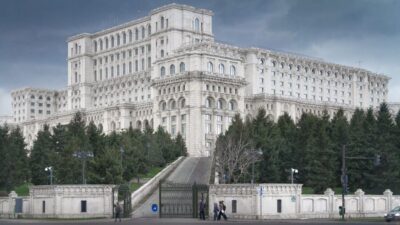


Parliament Senate Entry Tickets and Guided Tour
Read our review →
Bucharest Essential Tour: Old Town, Calea Victoriei & Communism
Read our review →Browse the lists this tour appears in