
Reviewed · BUCHAREST WALKING TOURS
Slavery in Romania,Myths and Truths on Gypsies, Walking Tour
Bucharest’s landmarks tell a difficult story as well as a national one. On this three-hour walk, you explore the history of Romania’s Roma community through sites tied to slavery, the Holocaust, communism, and public memory. It is a focused cultural tour, not a general introduction to the city.
I like two things especially: the walk connects historical events to places you can see, and the guides take on myths and prejudice directly rather than treating Roma culture as a curiosity. Guides named Daniela, Andreea, Mihai, and Mihail have led tours, with the route supported by images and local landmarks.
One consideration: the subject is serious, and the tour spends more time on Roma history and discrimination than on Bucharest’s usual sightseeing highlights. If you want a broad city overview, this is not the best first walk. If you want to understand a part of Romanian history often left out of standard tours, it offers strong value at $29 per person.
- A former slave-market site sets the historical context for Roma enslavement in Romania and its lasting effect on identity.
- The Romanian Athenaeum opens a conversation about national culture and how the arts have shaped perceptions of Roma people.
- Cișmigiu Gardens and the Holocaust Memorial bring the walk from public leisure to remembrance of Roma victims of persecution.
- Communist-era Bucharest helps explain another period of change and the challenges Roma people faced in Romanian society.
- An optional jewelry workshop offers a chance to make a piece with an authentic Roma craftsman in a traditional workshop.
A Bucharest walk with a specific purpose
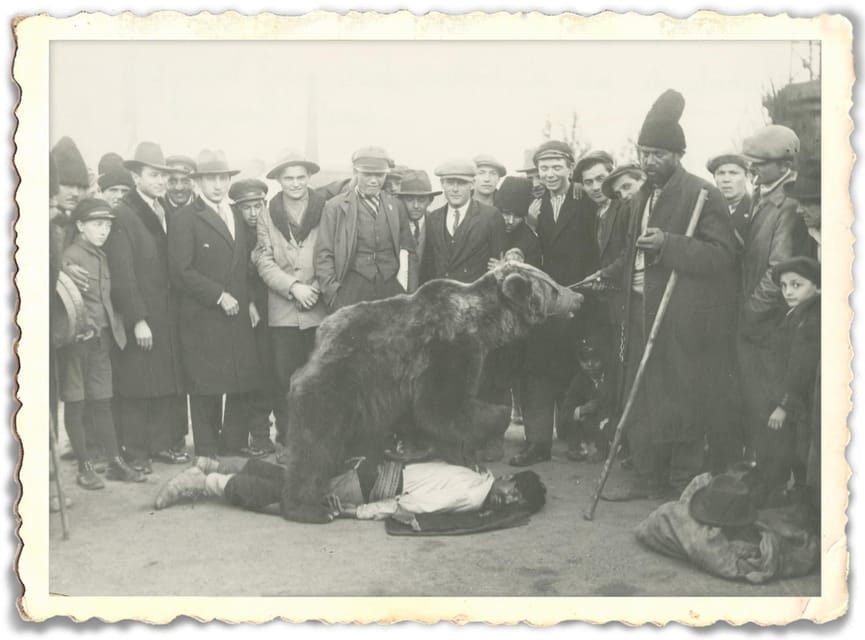
This tour asks you to see central Bucharest through a history that is not always visible in its grand buildings and leafy paths. The route links public landmarks to the Roma community’s experiences, from enslavement to discrimination today. Instead of simply naming dates, the guide explains how these events shaped Roma identity and their place in wider Romanian society.
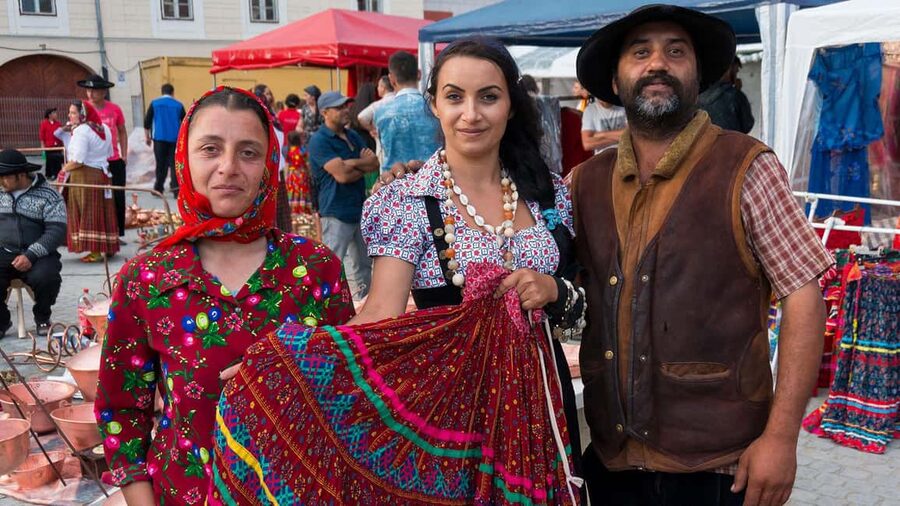
The subject calls for care. Roma people are not a single story, and the tour’s aim is to address myths and explain culture and traditions without turning a community into a set of stereotypes. The strongest version of this walk gives you context, makes room for questions, and treats difficult history with respect.
It also puts Romania’s past in a wider frame. The tour covers Roma enslavement, the Holocaust in Romania, and the communist period, while showing how these events connect to places in the city. You leave with more than a list of monuments: you have a way to understand why the city’s history looks different depending on whose story is being told.
Starting near Piața Romană
The meeting point is the small square in front of Teatrul Ion Creangă, a short walk of about three minutes from Piața Romană metro station. That central start makes the tour easy to fit into a day in Bucharest, and the metro gives you a simple way to reach the area.
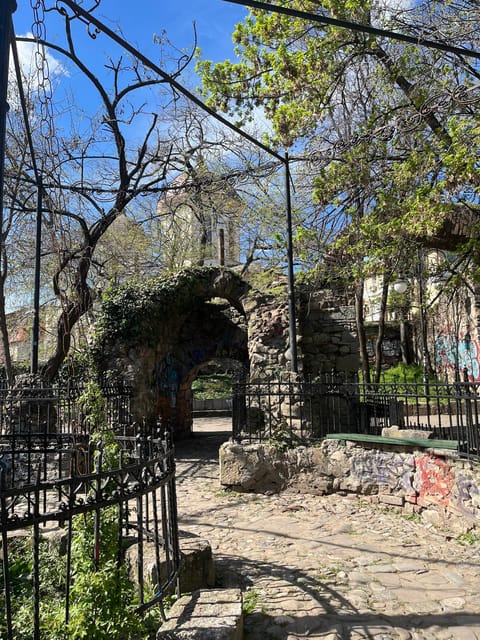
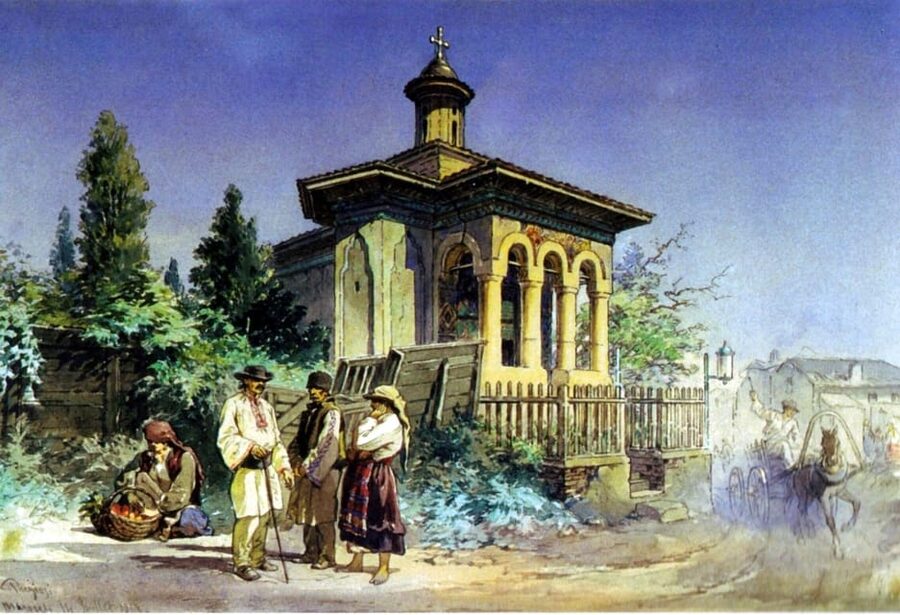
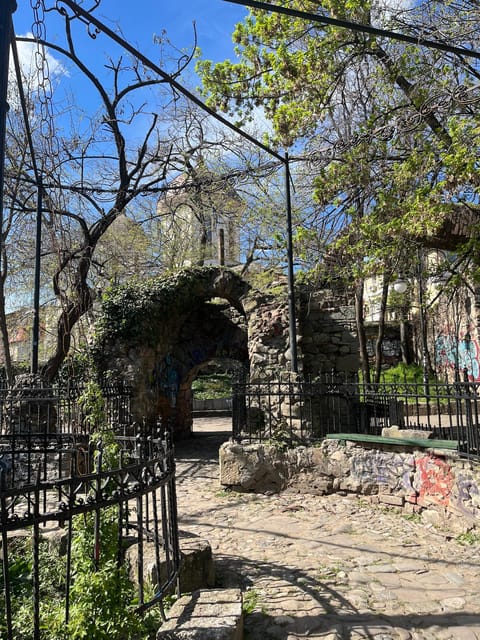
The walk begins with a site described as a former slave market. It is a sobering opening, and a useful one. The guide sets out the history of the trade in human lives and its enduring impact on Roma identity before you move on to the city’s more familiar sights.
The stop is brief, but its role is central: it anchors the tour in a history that can otherwise feel abstract. You are not just hearing that Roma people were enslaved in Romania; you are standing at a place associated with that past. The subject is painful, and the guide’s tone matters. The tour is designed to discuss it directly, with sensitivity rather than spectacle.
More walking tours around Bucharest:
- Bucharest: City Highlights Guided Walking Tour
★ 4.9 · 1,482 reviews - Bucharest Highlights Walking Tour
★ 5.0 · 469 reviews - Free walking tour of Brasov in English
★ 4.9 · 302 reviews
The Athenaeum and the stories a city tells
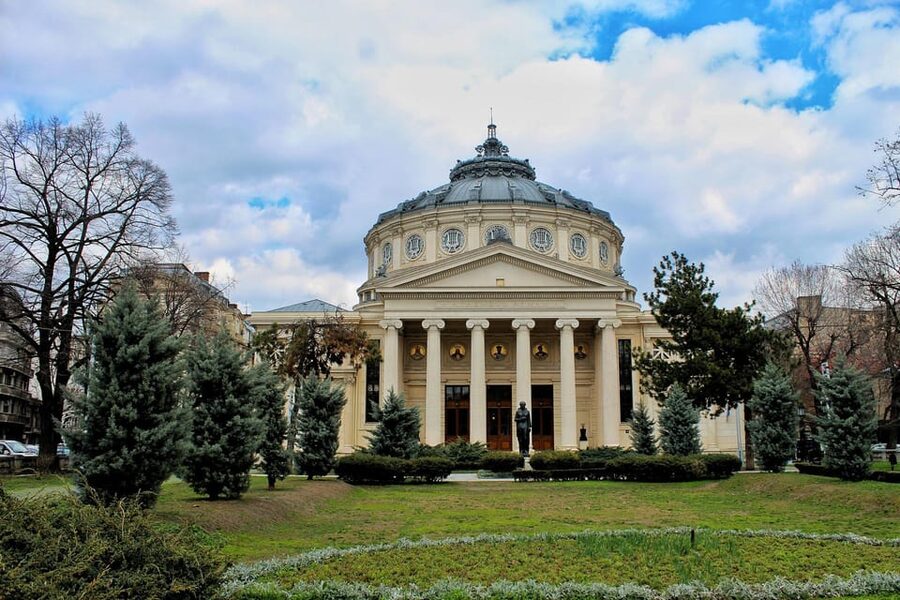
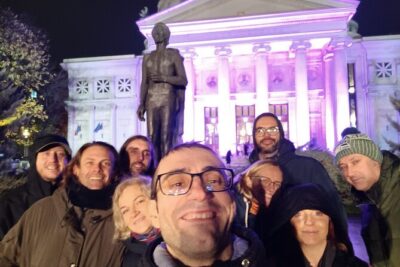
The Romanian Athenaeum is among Bucharest’s best-known cultural landmarks. You stop to admire its architecture and discuss the role of the arts in shaping national identity and perceptions of the Roma community. It is a useful contrast to the earlier site: a celebrated building can tell a story about who is included in a nation’s public image, and who has been pushed to its margins.
The stop is listed at about 15 minutes, including walking and sightseeing. It is not a full interior visit, so think of it as a chance to look at the building and hear the historical context, rather than a concert-hall tour.
Other city streets and a second, undisclosed stop continue the conversation. The exact location is not named in advance, so the point is less about ticking off a famous address than linking the story to the urban setting around you. Guides have used images and nearby public sculptures to help explain events and ideas. That can make a complex subject easier to follow, especially if you are new to Romanian history.
A café pause before Cișmigiu Gardens
A 15-minute café break gives you a chance to sit, ask questions, and take a breath. Food and drinks are not included, so plan to buy your own if you want something. This pause also breaks up a tour that asks you to take in a lot of history while walking.
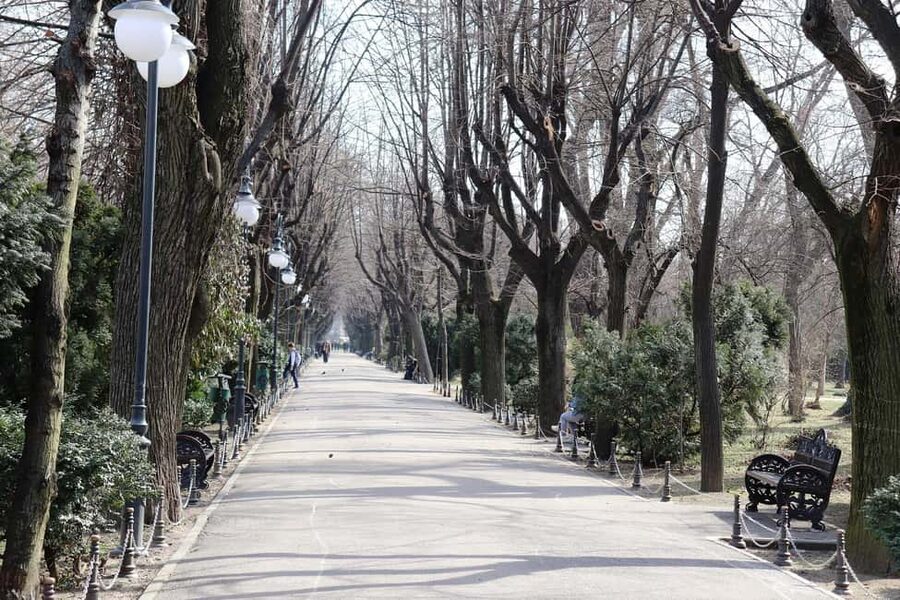
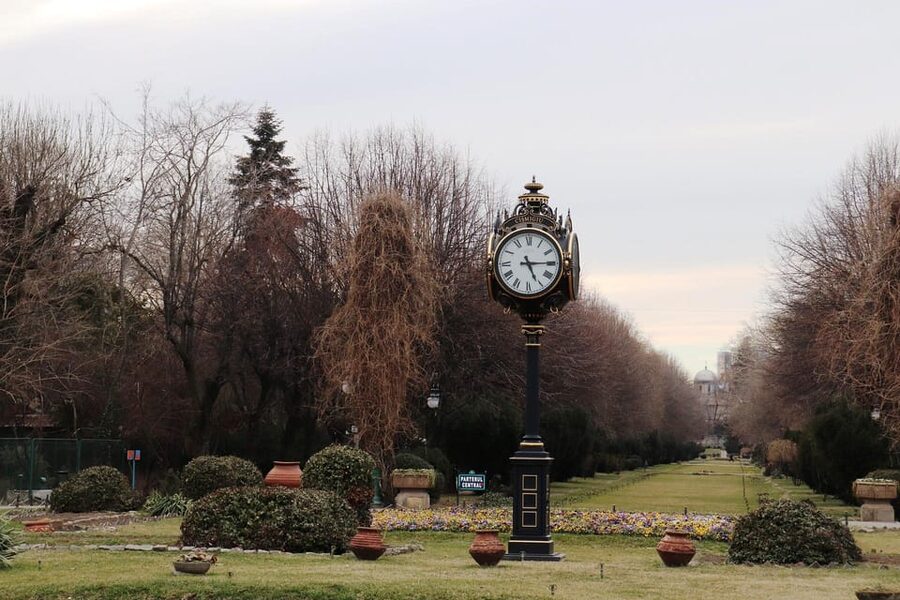
From there, the route enters Cișmigiu Gardens, described as Bucharest’s oldest and largest garden. The planned visit is around 30 minutes. In this calmer setting, the guide returns to myths and truths about Roma culture and traditions, and to the community’s place in Romanian society.
The park stop is more than a pleasant change of scenery. It gives the conversation room to move beyond historical trauma and address the assumptions people carry into the tour. You can ask questions and consider how stereotypes take hold, as well as how Roma people have maintained and developed their culture.
The walk is not presented as a chance to observe Roma people in their daily lives. That distinction matters. The focus is on history, public memory, and explanation, rather than treating a community as a spectacle. One reasonable question to keep in mind is how much Roma voices are included directly. The tour description features an optional workshop with a Roma craftsman, but the main walk is guide-led.
The Holocaust Memorial and the communist past
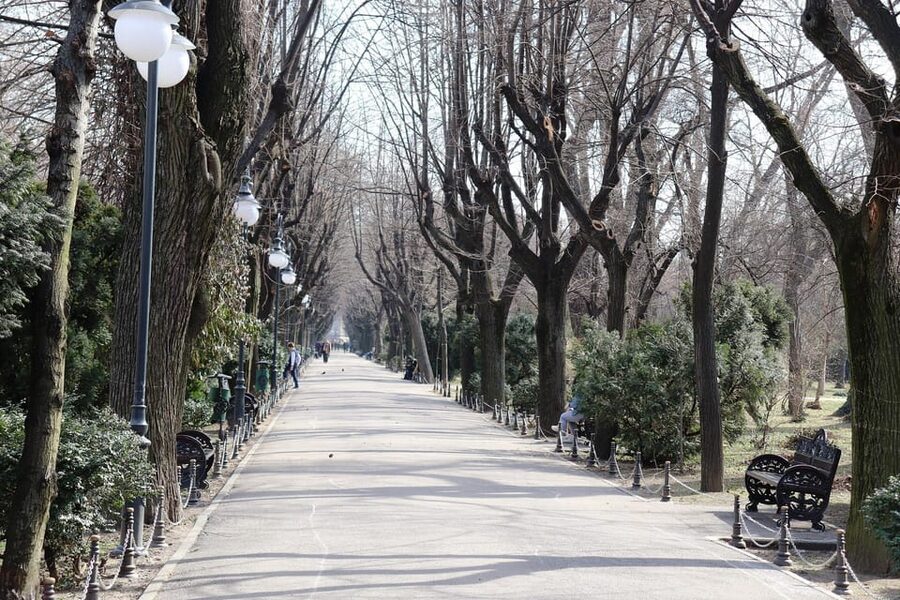
The Holocaust Memorial is a key stop, with about 15 minutes set aside for a guided visit and time to pay respects. The tour draws attention to the thousands of Roma people who lost their lives to persecution and genocide. It is a solemn point in the route, and one that puts Roma history within the broader history of the Holocaust in Romania.
Give this stop the attention it deserves. It is not just a photo opportunity, even if there is time for photographs. The memorial helps make clear that the history of Roma persecution did not end with the earlier period of enslavement. It also offers a place to pause before the walk moves on.
At Piața Kogălniceanu and along the route toward Revolution Square, you hear about traces of Romania’s communist past and the challenges Roma people faced during that period. The supplied tour details do not promise an in-depth account of every political event or building, so expect this to be part of the larger story rather than a full communist-history tour.
One guide has also addressed questions about property ownership and the run-down state of some buildings after the war. That kind of detail can help you connect social history to the streets around you, though the exact topics may depend on the guide and the group’s questions. The broader lesson is that present-day inequality has roots in more than one era.
More Bucharest tours around Bucharest:
- Bucharest: Dracula’s Castle, Peles Castle, & Brasov Old Town
★ 4.5 · 17,858 reviews - Bucharest: Dracula Castle, Peles Castle & Brasov Old Town
★ 4.6 · 10,891 reviews - Bucharest: Dracula’s Castle, Peleș Castle & Brașov Day Trip
★ 4.5 · 5,919 reviews - Bucharest: Palace of Parliament Tickets and Guide
★ 4.3 · 3,182 reviews
What the guides bring to the walk
The guide is the heart of a tour built around explanation. Daniela, Andreea, Mihai, and Mihail are among the guides associated with it. Names and schedules can change, so you should not assume a particular person will lead your departure.
The qualities that make a guide especially useful here are clear communication, historical command, and the ability to speak frankly without leaning on stereotypes. Visitors have particularly valued guides who make complex subjects easy to absorb, use images to support the story, and leave time for questions. Some have also received links to music, including folkloric and manele music, as a way to continue learning after the walk.
The pace has been described as a good balance of walking and talking, with breaks and opportunities to sit. In hot weather, ask for a pause or water stop if you need one. Some guides have adjusted where they speak to use shade and have made regular water stops, but you should still bring water and dress for the conditions.
The title uses the word Gypsies, a term many people find outdated or offensive. Roma is the respectful term used in the tour description and throughout this review. The tour’s subject is not simply a group label: it is a people with their own language, flag, cultural traditions, and varied experiences. Keep that distinction in mind as you listen and ask questions.
The optional jewelry workshop
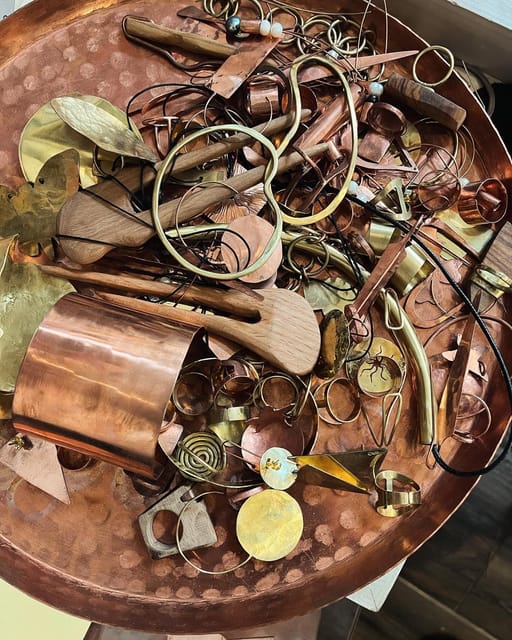
You can add a jewelry workshop with an authentic Roma craftsman in a traditional workshop. It is the most hands-on part of the experience, and it gives you a chance to make your own piece rather than only hear about Roma crafts.
The workshop is optional, and the standard tour does not include it. Transportation is included if you select the workshop option, but the workshop’s added price and exact time are not specified here. Check those details before booking if the craft experience is a deciding factor.
The tour’s listed finish is at Mesteshukar ButiQ, also known as MBQ, while the meeting information says the activity ends back at the meeting point. Because those details differ, confirm the exact end point for your chosen option before you plan your next stop. If you are adding the workshop, check where it fits into the route as well.
Is three hours and $29 good value?
At $29, the tour offers three hours of guided interpretation, a café break, and a route that connects several central landmarks to a focused subject. You are paying for the guide’s ability to explain difficult history and draw links between sites, not for museum admission, food, or a full city tour. Food and drinks are not included.
The value is strongest if Roma history is a subject you want to understand with more care than a quick online summary can provide. The tour also covers Romanian history more broadly, including communism and the Holocaust, so it can help you place the Roma experience within the country’s wider past.
It is less useful if your priority is to see as many standard attractions as possible or to spend time inside the Athenaeum. The walk passes notable sites and explains their relevance, but it is not designed as an architectural tour. Nor should you expect a complete account of every aspect of Roma life in Romania. Three hours gives the guide room to establish context, not to tell every story.
The overall route includes several walking sections, a 15-minute café stop, and planned visits ranging from about 10 to 30 minutes. Wear comfortable shoes and bring water, particularly in warm weather. English is the listed language, and the walk is guided in English.
Who should book this walk?
Book it if you want a thoughtful, place-based account of Roma history in Romania and are willing to engage with subjects such as slavery, genocide, prejudice, and social exclusion. It suits curious visitors who value context and conversation more than a long checklist of sights. The guides’ use of images, local landmarks, and space for questions can help make a complex story easier to retain.
Consider another tour if you want a light introduction to Bucharest or prefer a walk focused on architecture and major attractions. This tour is serious by design, though it also includes entertaining stories about Roma resilience and a relaxed café pause.
For a first visit, you could pair it with a separate general city walk. For a deeper look at Roma history, the optional jewelry workshop may add a meaningful practical element, provided you confirm its price and end-point details. At $29, the guided walk is a worthwhile choice when its subject matches your interests.
FAQ
How long is the walking tour?
The tour lasts three hours. Check availability for the starting times.
What is the price?
The listed price is $29 per person. The optional jewelry workshop may involve a separate price, which is not specified here.
What language is the tour in?
The live guided tour is in English.
Where does the tour start?
Meet in the small square in front of Teatrul Ion Creangă, about a three-minute walk from Piața Romană metro station.
Which places are included on the route?
The route includes the Romanian Athenaeum, Cișmigiu Gardens, the Holocaust Memorial, Piața Kogălniceanu, and Revolution Square, as well as stops connected to Roma history.
Does the tour visit a former slave-market site?
Yes. The tour visits the site of a former slave market and discusses Romania’s history of Roma enslavement and its lasting impact.
Is the jewelry workshop included?
No. The jewelry workshop is optional. Transportation is included if you select that option.
Are food and drinks included?
No. Food and drinks are not included. There is a 15-minute café break.
Can I cancel for a refund?
You can cancel up to 24 hours in advance for a full refund. Booking is also available with the option to reserve now and pay later.
Recently added around Bucharest
- Snowmobiles, Sky Lift & Winter Sports – Private Tour★ 5.0 · 9 reviews
- Private Transfer and 3H Tickets to Therme Bucharest★ 4.5 · 10 reviews
- Day Trip from Bucharest to Dracula Castle, Brasov and Peles Castle Sinaia★ 5.0 · 10 reviews
- Day Trip Through Brasov in Transylvania and Bran, Peles, and Rasnov Castles★ 4.0 · 9 reviews
- 2-Day Small-Group Tour to Dracula’s Castle, Rasnov Fortress, Peles Castle, Sighisoara and Libearty Brown Bear Sanctuary with Overnight in Brasov★ 4.5 · 9 reviews
- The Real Story of Gypsies – Slavery in Romania★ 5.0 · 7 reviews
- Premium 8-Day Private Culinary Vacation in Romania★ 5.0 · 11 reviews
- Slavery in Romania Myths and Truths About Gypsies★ 5.0 · 8 reviews
Bucharest Walking Tours, compared.
Ghost Stories & Romanian Mythology Walking Tour
Read our review →
Walking Tour- Delightful Bucharest (Highlights, Stories, Sights)
Read our review →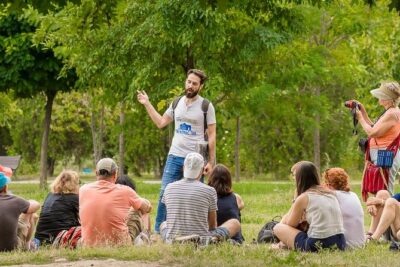
Bucharest Essential Tour: Old Town, Calea Victoriei & Communism
Read our review →Browse the lists this tour appears in