Reviewed · BUCHAREST TOURS
Bucharest: The Italian emigration in Romania
Bucharest’s Italian story runs through the grand buildings and famous streets of its center. On this two-hour walk, you trace the influence of Italian immigration from the late eighteenth and early nineteenth centuries, with Victory Road as the main thread connecting the landmarks.
I like the focus on a specific strand of the city’s past, rather than a general highlights march, and I like that the route includes major sights such as the CEC Palace, Revolution Square and the Atheneum. One consideration: the meeting-point instructions are not entirely clear, and a serious account of a missed tour makes it wise to confirm the details before setting out.
- Italian influence is the theme: The guide connects the city’s history to immigration from Italy in the late eighteenth and early nineteenth centuries.
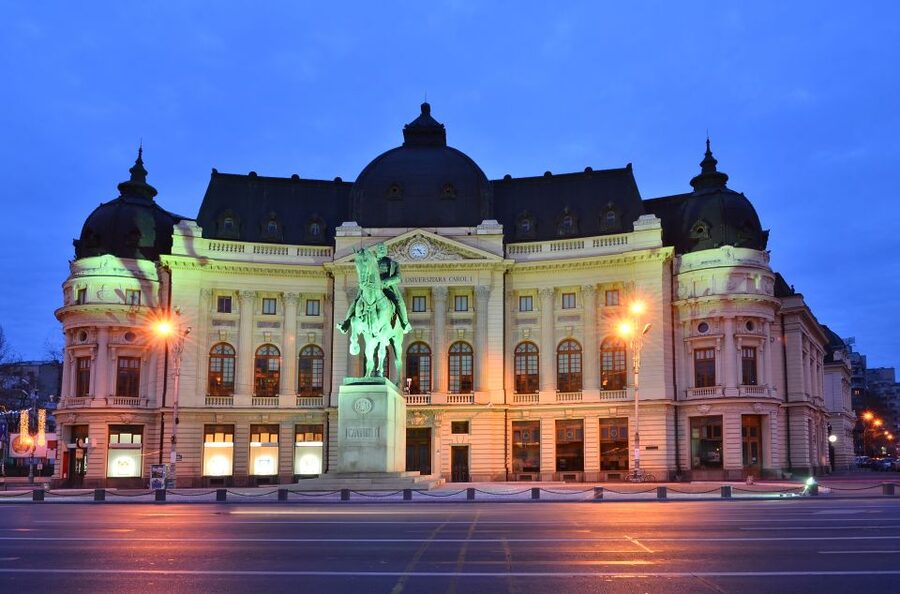
- Victory Road anchors the walk: The route passes the National History Museum, CEC Palace, Revolution Square, the Atheneum and Italian Church.
- The tour lasts two hours: It is a compact way to get an introduction to central Bucharest on foot.
- The guide speaks Italian: Daniel is named as a guide and was praised for answering questions and adapting to a requested stop.
- Check the meeting details: Meet at Piata Natiunile Unite, 100 meters from the provider’s office at Bulevardul Natiunile Unite 4, Bloc 107/A.
A two-hour walk with a distinct theme
This tour is for you if you want more than a checklist of Bucharest sights. Its subject is the mark left by Italian immigration, and the route uses the city center’s streets and buildings to tell that story. The focus gives a familiar city walk a clear purpose: you are not just seeing monuments, you are looking at how people and ideas shaped the capital.
The walk begins at Piata Natiunile Unite, crosses the Dambovita River, and continues toward Victory Road. Along the way, your guide points out places connected with the Italian presence and its influence on the city’s development. The tour then finishes in Bucharest’s old town with a recap of that history.
At two hours, the walk fits comfortably into a day of sightseeing without taking over your schedule. It also gives you a useful first orientation to central Bucharest. The pace and amount of time at each stop are not specified, so treat this as a guided walking overview rather than a promise of extended visits inside the buildings.
Starting at Piata Natiunile Unite
The stated meeting area is Piata Natiunile Unite, 100 meters from the provider’s office at Bulevardul Natiunile Unite 4, Bloc 107/A. The office is identified as Transylvanian Wonders. Bring the full address with you, and confirm exactly where your guide will wait.
This is not a minor detail. One account describes arriving to find no one at the office and no clear sign, with no contact from the provider. That is a serious service concern, especially if you have only a short time in Bucharest. The experience has also been led by Daniel, who was described as punctual and friendly, but a good guide cannot help if you cannot find the start.
There is a further point to clarify: the route description says the walk ends in the old town, while the activity details say it ends back at the meeting point. These may refer to different parts of the arrangements, but the information is not consistent. Ask the provider where the tour finishes before booking, particularly if you have onward plans.
More Bucharest tours around Bucharest:
- Bucharest: Dracula’s Castle, Peles Castle, & Brasov Old Town
★ 4.5 · 17,858 reviews - Bucharest: Dracula Castle, Peles Castle & Brasov Old Town
★ 4.6 · 10,891 reviews - Bucharest: Dracula’s Castle, Peleș Castle & Brașov Day Trip
★ 4.5 · 5,919 reviews
Crossing the Dambovita toward Victory Road
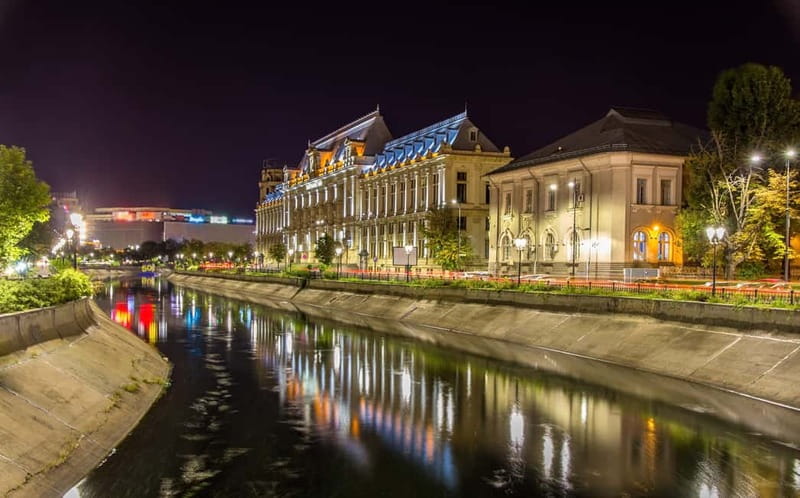
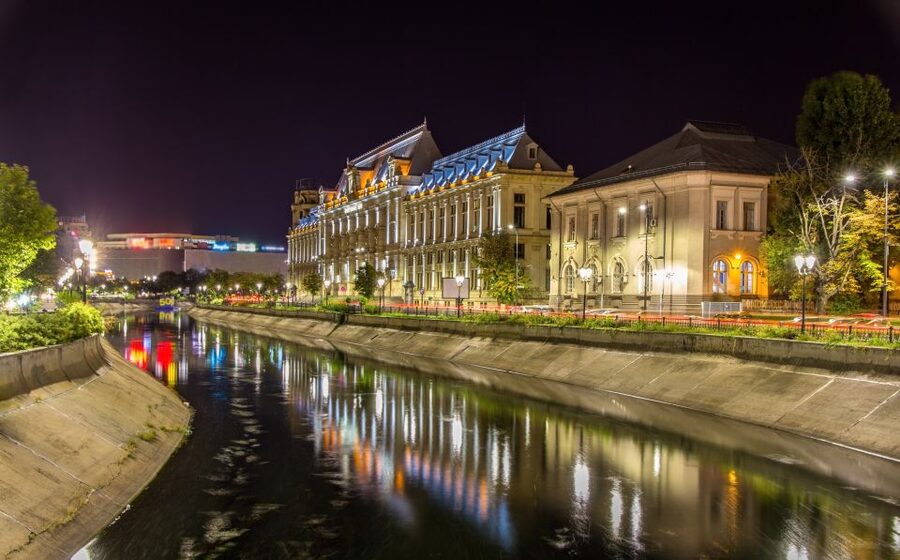
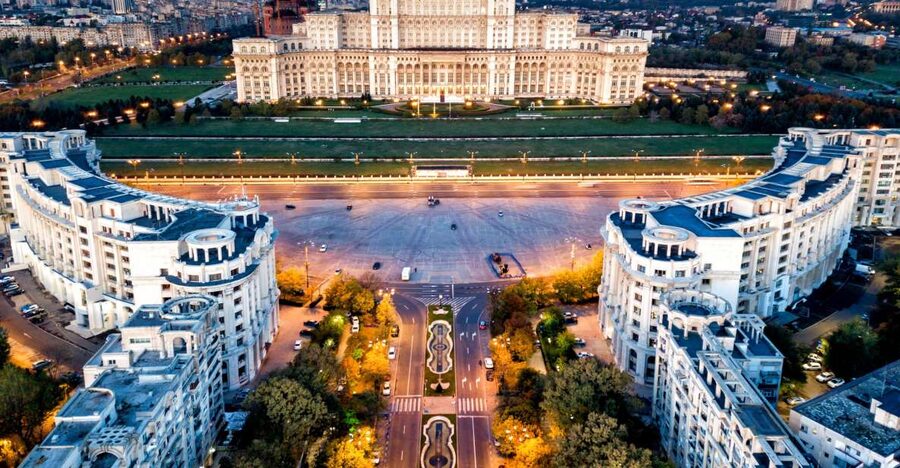
The group starts by crossing the Dambovita River, then enters the route’s central stretch along Victory Road. The river crossing offers a natural transition from the meeting area into the historic center. The Palace of Justice, highlighted as standing on the river’s banks, gives the walk an early connection to Bucharest’s civic architecture.
Victory Road is the backbone of the tour. Rather than treating its notable buildings as isolated photo stops, the guide uses the avenue to trace the Italian community’s influence. That approach is valuable if you like to understand why a place matters, not only learn its name.
The tour is on foot, so comfortable shoes are a sensible choice. Weather-appropriate clothing is also recommended. No indoor visits are promised, so expect to see the city from the street and hear the guide’s account as you move between landmarks.
National History Museum and CEC Palace
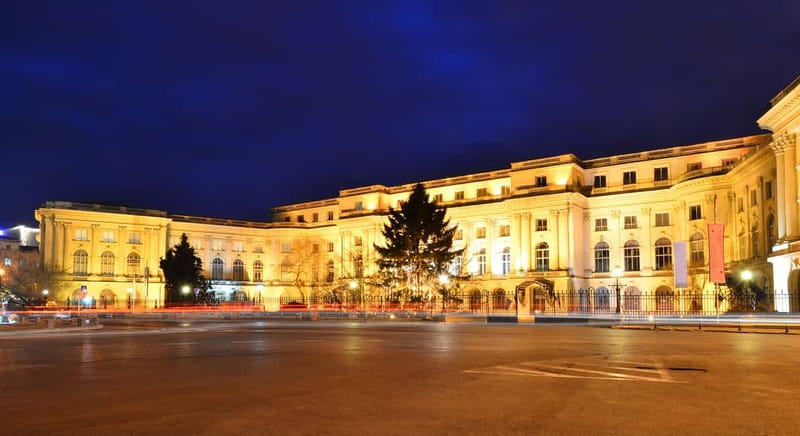
The National History Museum is one of the first major landmarks named on the route. Its place in a tour about the city’s past is fitting, though the exact time spent there and whether you enter are not specified. You can expect the guide to use the building and its setting as part of the story, rather than assume a museum visit is included.
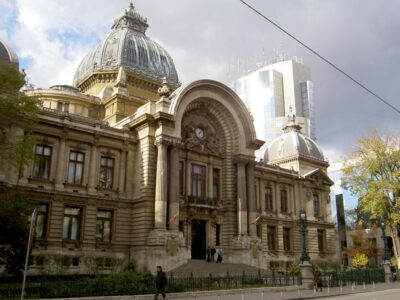
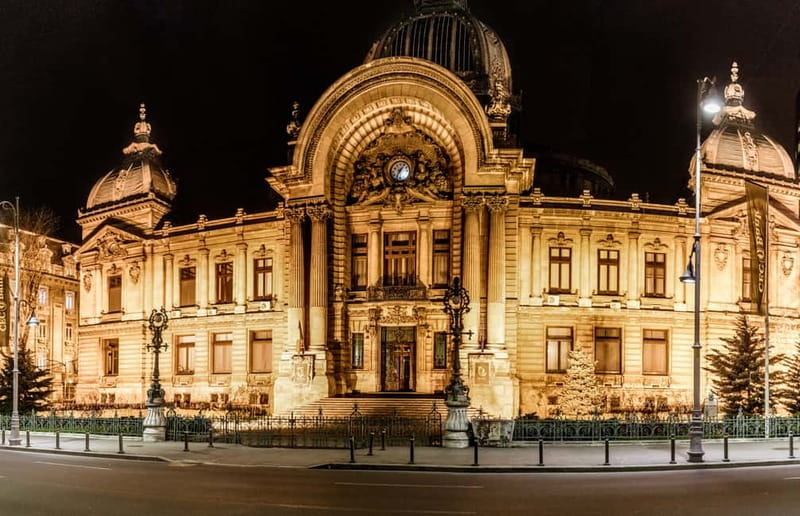
The nearby CEC Palace is another key stop. The building is singled out as one of Bucharest’s defining sights, and its presence on Victory Road gives the guide an opportunity to connect architecture and urban development with the Italian influence that shaped parts of the city. The available details do not identify particular architects or construction dates, so the tour’s value here lies in the guide’s explanation, not in a guaranteed technical lecture.
I would listen for the links the guide draws between the buildings and migration. The theme is more specific than a standard city-center walk, but the detail you receive will depend on the guide and the questions you ask. Daniel has been described as answering questions and accommodating a requested stop, which suggests that speaking up can make the walk more useful to you.
Revolution Square, the old Senate and the Atheneum
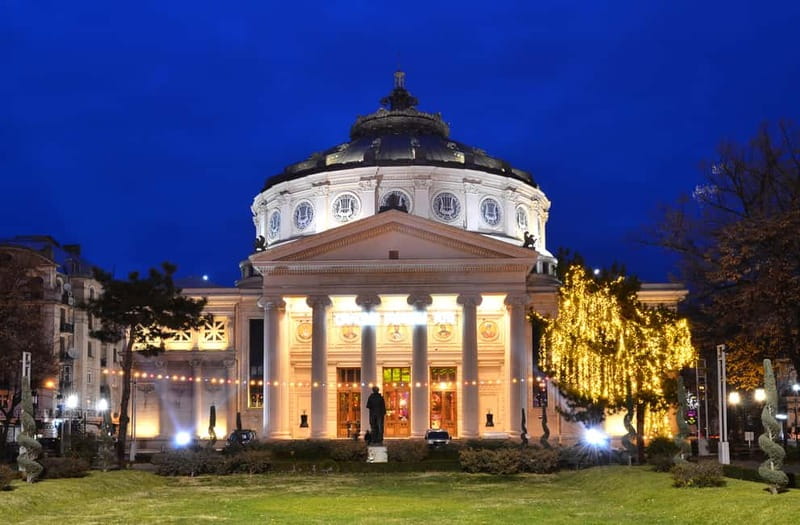
The walk also includes Revolution Square and the old Senate house. These stops broaden the tour beyond Italian influence alone, placing that story within Bucharest’s wider political and civic history. The square is a useful point to pause and consider how the capital’s past is written into its public spaces.
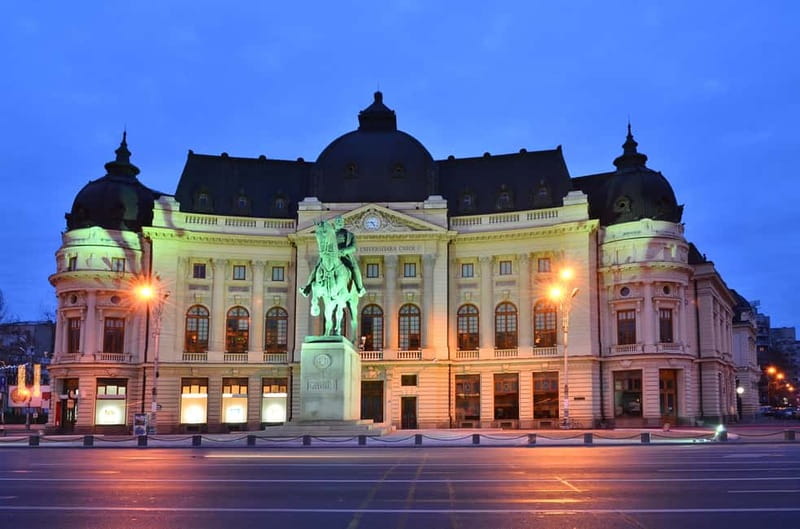
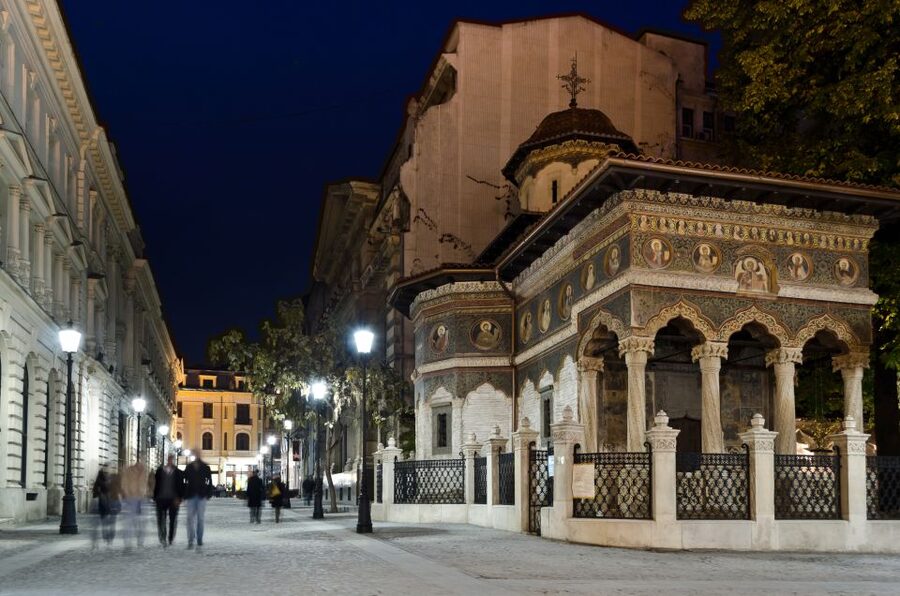
The Atheneum adds another prominent landmark to the route. It is paired with the Italian Church in the tour’s account of places where Italians left a mark on the city. The guide’s task is to make those connections clear without turning the walk into a string of names. If you have a particular interest in architecture, immigration or urban history, this is a good point to ask for more context.
The tour does not specify how long it stops at each site, or whether you go inside any of them. Plan on an exterior walking tour unless the provider confirms otherwise. That expectation helps you judge the value: you are paying for a guided account and a route through several important parts of central Bucharest, not admission to multiple attractions.
Same starting point, a different day out:
- Bucharest: Palace of Parliament Tickets and Guide
★ 4.3 · 3,182 reviews - Bucharest: Day Trip to Dracula Castle, Peles Castle & Brașov
★ 4.4 · 3,049 reviews - Bucharest to Dracula Castle, Peles Castle and Brasov Guided Tour
★ 4.5 · 2,933 reviews - Bucharest: Palace of Parliament Tickets and Guided Tour
★ 4.4 · 1,877 reviews
Italian Church and the old town finish
The Italian Church is the route’s most direct link to the tour’s subject. It gives the guide a clear place to discuss the Italian community and its influence on Bucharest. The supplied details do not give a specific history of the church, so avoid arriving expecting a detailed architectural or religious study unless you confirm that with the guide.
The walk is described as ending in the old town with a recap of the importance of Italian immigration in Bucharest and Romania. That wrap-up can help tie together the sights you have seen and leave you with a clearer idea of how the community’s presence fits into the city’s development.
Because the stated ending conflicts with the separate note that the activity finishes back at the meeting point, settle this before the day of the tour. If the old town is the final stop, you may be able to continue exploring there. If the walk returns to the starting point, you will want to plan your next stop accordingly.
What the guide can add
A walking tour’s value depends heavily on the person leading it. Daniel is named as a guide, and a detailed account describes him as informative about both the landmarks and the city, willing to answer questions, punctual and friendly. He also made an effort to accommodate a requested stop and arranged to begin at a hotel for that group.
That hotel start is a useful example of flexibility, but do not assume it is included as standard. The published meeting point is Piata Natiunile Unite, and the office is nearby. If you need a different start or have a specific place you want to include, ask before booking rather than relying on an adjustment on the day.
The tour is listed with an Italian-speaking guide. That matters if you are choosing it for the language as much as for the subject. The available information does not offer a choice of language, so this is not the right fit if you need an English-language explanation.
Is $34 good value?
At $34 per person, you are paying for a two-hour guided walk with a professional local guide. There are no listed admissions or other inclusions, so the value rests on the quality of the interpretation, the route and the chance to ask questions. For a compact introduction to the center with a focused historical theme, the price can make sense if Italian is the language you want.
It is less compelling if you are mainly seeking entry to major buildings or a long, in-depth visit at each stop. Those are not promised. You should also weigh the risk of confusing meeting arrangements against the modest length of the activity. Confirming the starting and finishing points is a sensible step before committing.
The reported rating is 4 out of 5 from six reviews, but the small number of ratings means it offers only a limited picture. The positive account of Daniel’s guiding is encouraging. The account of a tour that did not take place is a real warning, not a detail to brush aside. Clear confirmation from the provider is especially important here.
Who should book this walk?
I would consider this tour if you speak Italian, enjoy learning how migration shaped a city, and want an introduction to Bucharest’s central sights in a short time. Its theme gives you a different lens on Victory Road and its landmarks, while the route brings together civic, cultural and religious sites.
It is also a good match if you value conversation. Daniel’s reported willingness to answer questions and adjust a stop suggests that an engaged guide can make this more personal than a fixed script. If you want to ask about a particular building or the Italian community, come ready with questions.
I would hesitate if you need certainty about an English-language guide, guaranteed access inside attractions, or a clearly fixed finish point. Those details are not provided. And if the meeting arrangements remain unclear after you contact the provider, consider whether a two-hour activity is worth that uncertainty.
Booking is most sensible once you have confirmed the exact meeting spot, the guide’s arrival, and whether the group returns to the start or ends in the old town. With those details settled, this is a distinctive, compact way to look at Bucharest through its Italian connections.
FAQ
How long is the tour?
The walking tour lasts two hours. Starting times depend on availability.
What language is the tour in?
The live guide speaks Italian.
Where do I meet the guide?
Meet at Piata Natiunile Unite, 100 meters from the Transylvanian Wonders office at Bulevardul Natiunile Unite 4, Bloc 107/A. Confirm the precise meeting spot before you go.
Which landmarks are included?
The route names the National History Museum, CEC Palace, Revolution Square, the old Senate house, the Atheneum and Italian Church. The Palace of Justice on the Dambovita River is also highlighted.
What is included in the price?
A professional local guide is included. The tour details do not list admissions or other inclusions.
Can I cancel for a refund?
Yes. You can cancel up to 24 hours in advance for a full refund.
Recently added around Bucharest
- Snowmobiles, Sky Lift & Winter Sports – Private Tour★ 5.0 · 9 reviews
- Private Transfer and 3H Tickets to Therme Bucharest★ 4.5 · 10 reviews
- Day Trip from Bucharest to Dracula Castle, Brasov and Peles Castle Sinaia★ 5.0 · 10 reviews
- Day Trip Through Brasov in Transylvania and Bran, Peles, and Rasnov Castles★ 4.0 · 9 reviews
- 2-Day Small-Group Tour to Dracula’s Castle, Rasnov Fortress, Peles Castle, Sighisoara and Libearty Brown Bear Sanctuary with Overnight in Brasov★ 4.5 · 9 reviews
- The Real Story of Gypsies – Slavery in Romania★ 5.0 · 7 reviews
- Premium 8-Day Private Culinary Vacation in Romania★ 5.0 · 11 reviews
- Slavery in Romania Myths and Truths About Gypsies★ 5.0 · 8 reviews
Bucharest Tours, compared.
Dracula’s Castle, Peles Castle, & Brasov Old Town
Read our review →
Dracula’s Castle, Peleș Castle & Brașov Day Trip
Read our review →
Bucharest to Dracula Castle, Peles Castle and Brasov Guided Tour
Read our review →
Transylvania and Dracula Castle Full Day Tour from Bucharest
Read our review →